Home › Commercial Gravel-to-Asphalt Conversions
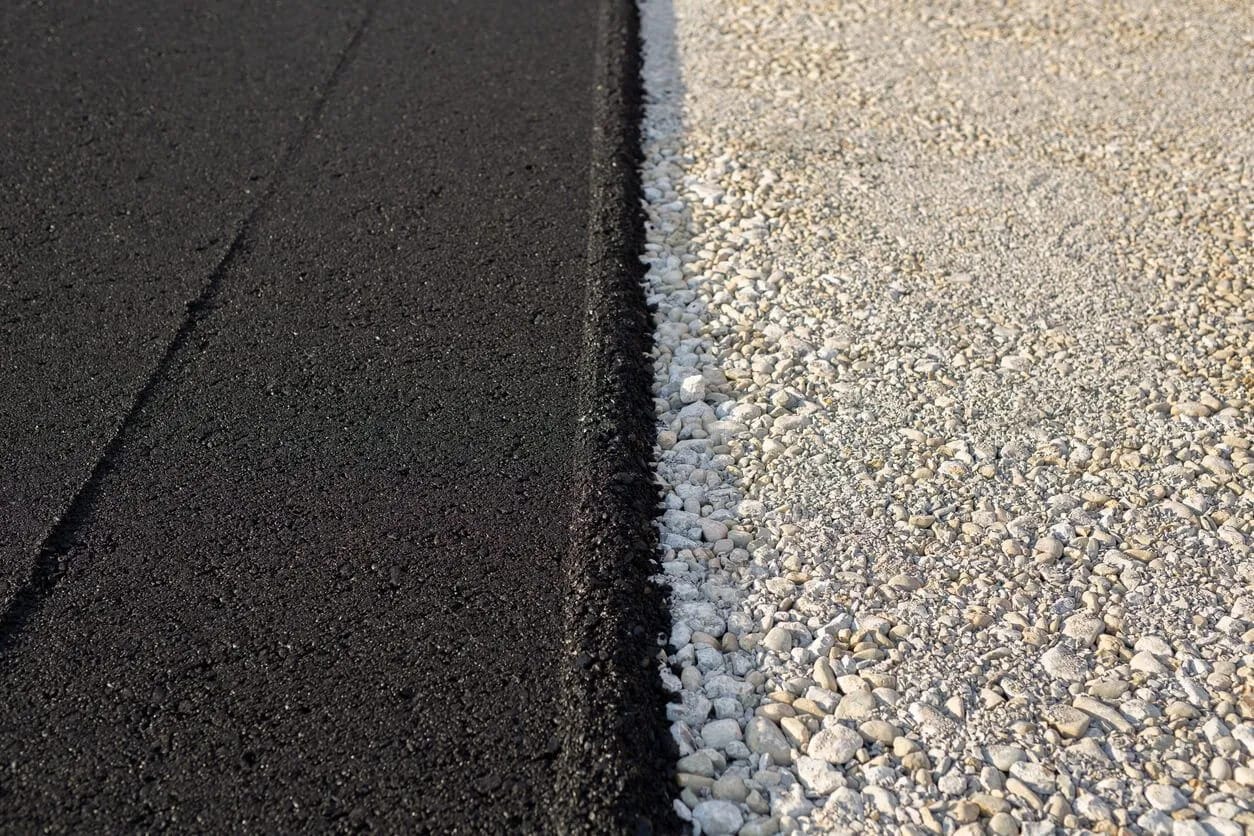
We convert commercial gravel lots and drives to asphalt in Fort Wayne, IN to reduce dust, mud, and maintenance. Our team evaluates existing stone, improves drainage, and paves a durable asphalt surface suitable for cars and trucks. Paved lots project a more professional image for customers and tenants.
Precision Asphalt Fort Wayne provides professional commercial gravel to asphalt throughout Fort Wayne, IN, Indiana and the surrounding area. Our licensed, insured crew delivers safe, clean, on-time work with a free estimate before anything begins. Call (260) 408-6873 or request your free quote.
Commercial Gravel-to-Asphalt Conversions in Fort Wayne
Loose gravel lots are tough on vehicles, create dust, and get muddy every time it rains. Precision Asphalt Fort Wayne helps local businesses turn those rough gravel areas into clean, durable asphalt surfaces that are easier to maintain and safer for customers and employees.
We focus specifically on commercial gravel-to-asphalt conversions, which means we understand the challenges that come with existing stone bases, long-term drainage issues, and keeping your business open during construction. Whether you operate a retail plaza on Lima Road, an industrial facility off Coliseum, or an office complex near downtown Fort Wayne, we tailor the design and schedule to your property and traffic patterns.
Instead of offering a one-size-fits-all paving package, we walk your site, dig into your base conditions, and plan a conversion that balances up-front cost with long-term performance. Our goal is simple: deliver a finished asphalt surface that survives Indiana freeze-thaw cycles, heavy snow plow use, and regular commercial traffic without constant patching.
Site Evaluation: What We Look At Before Converting Gravel to Asphalt
A successful commercial gravel-to-asphalt conversion starts with a thorough site evaluation. Our crew meets you on-site to walk the entire area, identify problem spots, and understand how you use the space. For example, we look at where trucks turn, where water currently pools after a storm, and how customers enter and exit your lot.
In Fort Wayne, the clay-heavy subsoils and winter freeze-thaw cycles are a big factor. We test compaction in several locations, not just one, since an old gravel lot often has soft pockets where trucks have rutting or where fill was placed years ago. If needed, we dig test holes to confirm the thickness and quality of the existing gravel base.
We also review drainage patterns toward nearby streets, alleys, and storm inlets. Many older gravel lots were never graded with proper slopes, so water just soaks in or sits in ruts. Before we commit to an asphalt design, we confirm that we can create positive drainage with regrading and, if necessary, the addition of drain tile or surface inlets that tie into your existing storm system.
Throughout this evaluation, Precision Asphalt Fort Wayne explains what we find in plain language and outlines several approaches with different cost and durability levels so you can make an informed decision.
Step-by-Step Process: From Loose Gravel to Finished Asphalt
Turning a commercial gravel lot into smooth asphalt is more involved than simply paving over stone. Precision Asphalt Fort Wayne follows a clear, step-by-step process so you know what will happen on your property and how long it will take.
1. Clearing and initial shaping: We start by removing any debris, vegetation, or broken concrete from the area. Using graders and skid steers, we roughly shape the lot to encourage water to flow away from buildings and towards planned drainage points.
2. Base repair and strengthening: We proof-roll the existing gravel with a loaded truck or roller. Soft or pumping areas are dug out and replaced with new compacted aggregate. In truck lanes or dumpster pads, we frequently increase base depth and sometimes install a geotextile fabric to keep the aggregate from mixing with the clay subgrade.
3. Fine grading and compaction: Once weak areas are repaired, we machine-grade the base to final elevations and compact it with vibratory rollers. We pay particular attention to transitions at curb lines, loading docks, and entrances to avoid puddles and trip hazards.
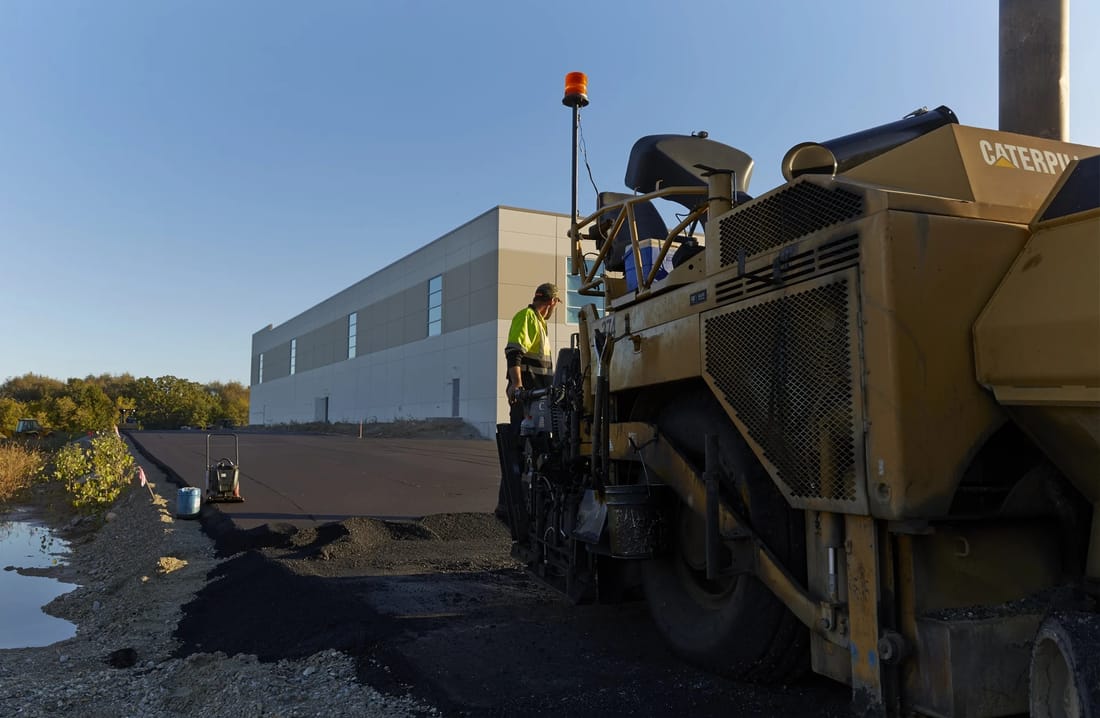
4. Binder and surface paving: For most commercial gravel-to-asphalt conversions, we recommend a two-course system. First we place a thicker binder course that provides structural strength, then a smoother surface course that gives you a clean, finished look and better resistance to fuel drips. Mix selection and thickness are matched to your traffic loads.
5. Joint finishing and compaction: Our crew compacts each lift of asphalt while it is at the correct temperature, paying close attention to seams and joints. Proper compaction is what separates a long-lasting pavement from one that ruts or cracks early.
6. Striping and traffic control: After the asphalt has cooled and cured for the recommended period, we return to layout and paint parking stalls, directional arrows, loading zones, and fire lanes according to your needs and applicable codes.
Design Options for Commercial Gravel-to-Asphalt Projects
Not every business uses its pavement in the same way, so the design for a commercial gravel-to-asphalt conversion should reflect how your lot actually functions day to day. Precision Asphalt Fort Wayne offers several design options that can be combined for your site.
We can vary asphalt thickness based on usage zones. For example, light-duty areas for staff and customer parking may use a slightly thinner section, while semi truck routes, loading docks, and dumpster pads receive thicker asphalt and, in some cases, reinforced bases. This targeted design can stretch your budget while still protecting high-stress areas from premature damage.
If your gravel area is currently unmarked and chaotic, we can redesign the layout as part of the conversion. This can include angled or straight parking, added ADA-compliant spaces and routes, safer drive lanes, and better-defined entrances and exits that line up with Fort Wayne traffic patterns and city requirements.
We also discuss surface mix options based on your priorities. Some owners prefer a tighter, finer surface for a more polished appearance, ideal for retail and office sites, while industrial clients may prioritize rugged performance and ease of future patching. We help you weigh these choices in relation to cost, snow plowing, and long-term maintenance.
What Drives the Cost of Converting Gravel to Asphalt
Two gravel lots that look similar at a glance can have very different costs to convert to asphalt. Precision Asphalt Fort Wayne is upfront about what drives pricing and how we can adjust scope to keep your project within budget.
Base condition is usually the biggest variable. If your existing gravel is deep, clean, and well-compacted, we can often reuse most of it, which keeps costs lower. If there are thin spots, buried topsoil, or saturation issues, we may need to add or replace aggregate and improve drainage before paving. These improvements add to the initial price but protect you from early failures like potholes and sink spots.
Lot size and shape affect material quantities and how efficiently we can work. Large open areas are more efficient to pave than multiple small, broken-up sections wrapping around buildings. Access for trucks and equipment also matters, especially in tight downtown Fort Wayne sites.
Drainage improvements can be a significant cost item. Adding catch basins, connecting to existing storm lines, or installing underdrains is not always required, but when it is, we will show you exactly why and what it will solve.
Finally, timing and phasing influence cost. If we can work in one continuous phase, pricing is usually more favorable than when we must split work into several short windows to keep specific areas open at all times. We work with you to find a balance between project cost and business disruption.
Local Conditions and Common Problems We Solve in Fort Wayne
Paving over gravel in northeast Indiana requires awareness of local soil conditions and weather patterns. Precision Asphalt Fort Wayne has spent years working on commercial lots that fight the same issues you see: standing water, muddy entrances, and ruts that reappear after every winter.
Clay subgrade in many Fort Wayne areas holds water and loses strength when saturated. If an older gravel lot was never properly crowned or drained, water can sit and slowly undermine the base. During a commercial gravel-to-asphalt conversion, we correct grades and, when needed, install drainage solutions so the new asphalt does not inherit the same problems.
Freeze-thaw cycles are another local challenge. Water trapped beneath pavement expands when frozen and can lead to cracking and heaving. This is why we focus on solid compaction, adequate base thickness, and drainage rather than simply paving on top of whatever gravel is already there.
We also work with the realities of snow removal. In commercial settings, plows can be tough on asphalt at curb lines and around drains. When designing your conversion, we anticipate plow routes, reinforce vulnerable edges with proper thickness and compaction, and set drain grates to appropriate grades to minimize damage.
Our aim is not just to pave your lot, but to solve the underlying issues that made your gravel surface difficult in the first place so that the new asphalt holds up through Fort Wayne winters and heavy use.
What to Expect When You Hire Precision Asphalt Fort Wayne
When you contact Precision Asphalt Fort Wayne about a commercial gravel-to-asphalt conversion, we begin with a conversation about how your property functions. Then we schedule a site visit, provide measurements, and discuss design options, phasing, and approximate timelines.
Before work begins, we help you plan around business operations. Many owners choose to do work during off-peak hours, weekends, or in zones so customers and deliveries can still access part of the property. We provide clear schedules and updates so your staff and tenants know what to expect.
During construction, a site foreman is your point of contact. If we encounter unexpected conditions, such as buried debris or saturated pockets, we explain the situation and the options before proceeding. Our crews keep access routes and signage as clear as possible to reduce confusion for your customers.
After paving and striping, we walk the finished project with you, review the work, and explain recommended cure times before allowing heavy traffic. We also outline a simple maintenance plan that may include periodic crack sealing and sealcoating to extend the life of your new asphalt.
If you are considering converting a gravel lot or drive to asphalt, reach out to Precision Asphalt Fort Wayne. We bring local experience, clear communication, and practical design choices that fit the way businesses in Fort Wayne, Indiana actually operate.